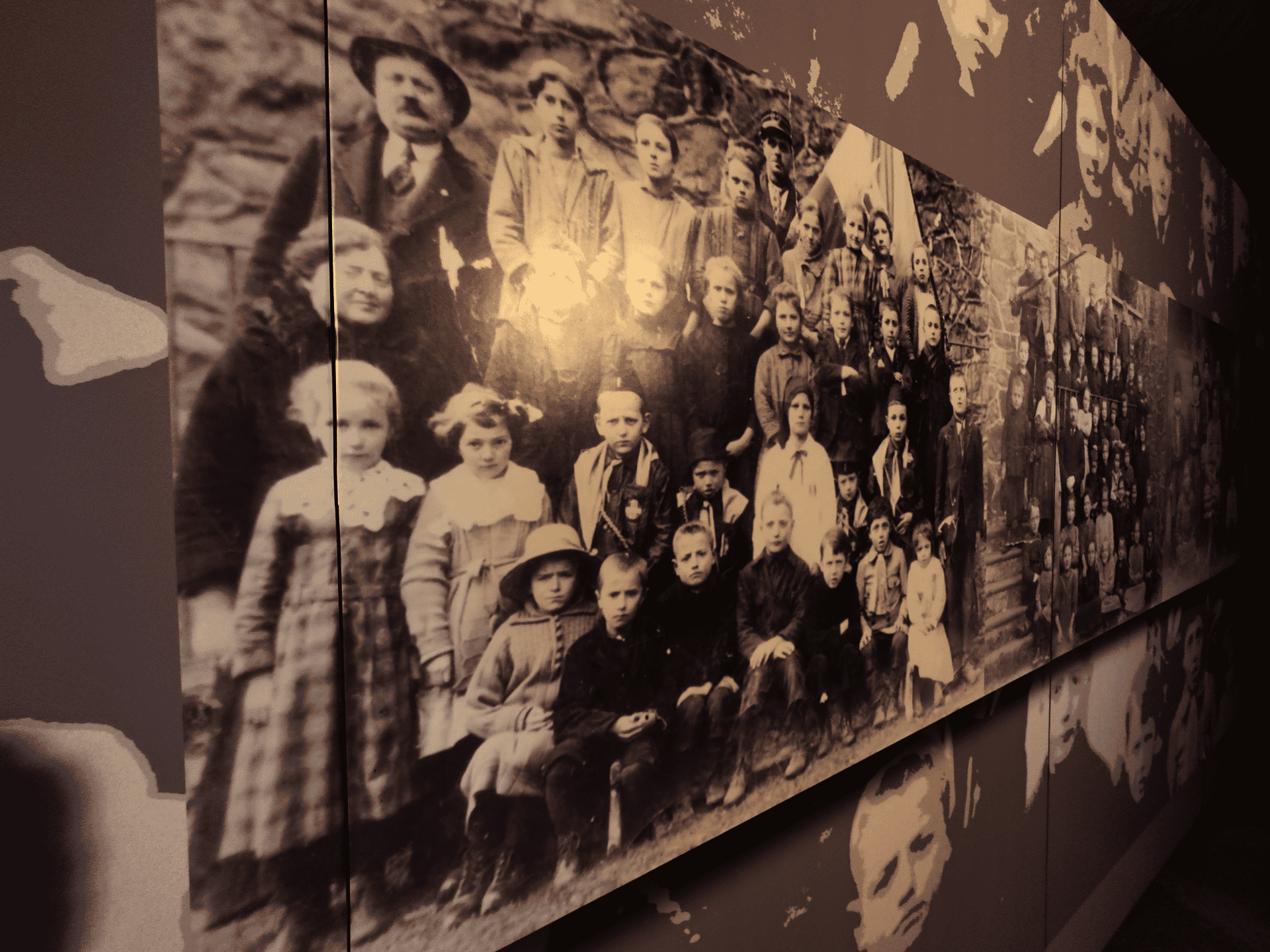
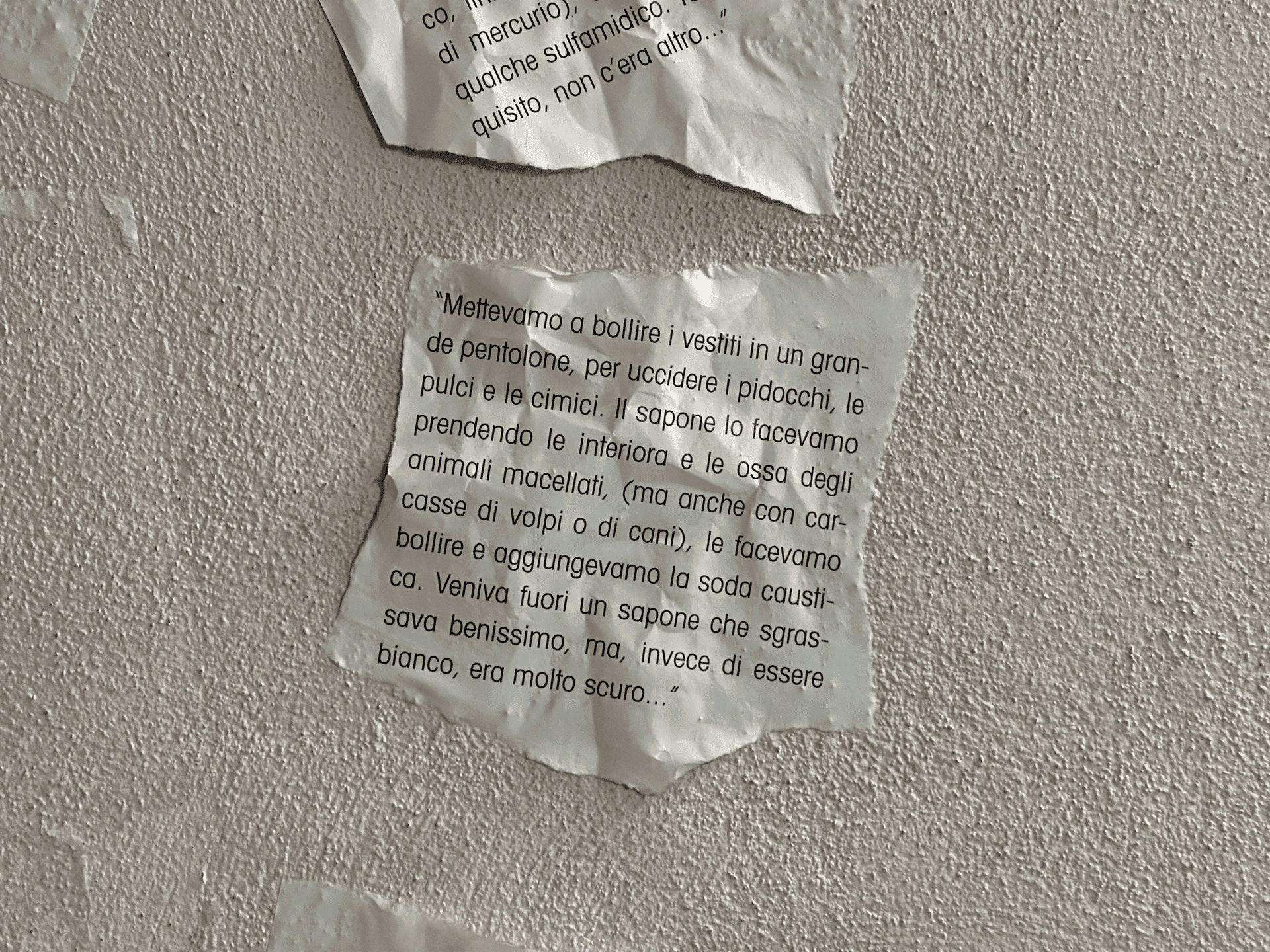
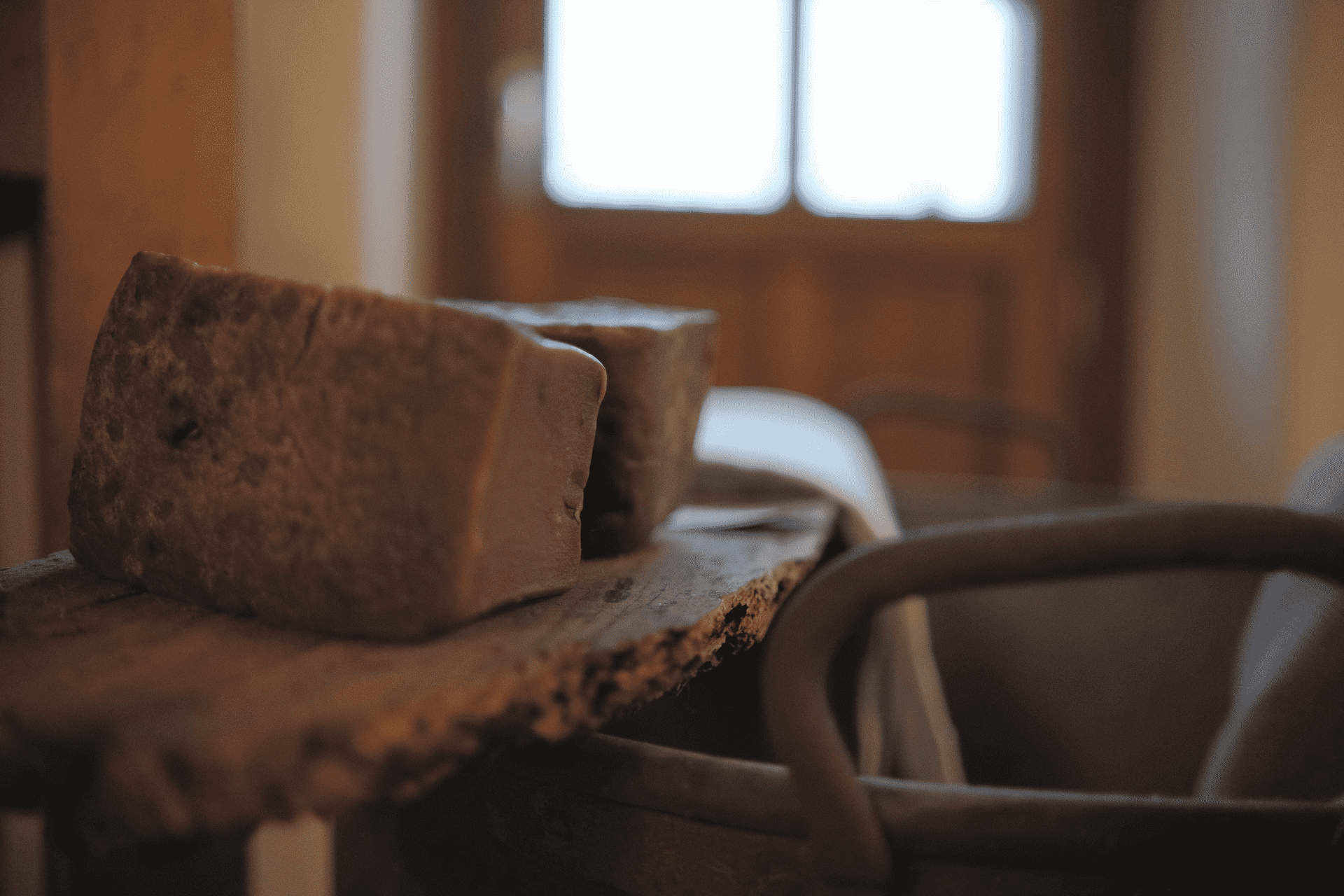
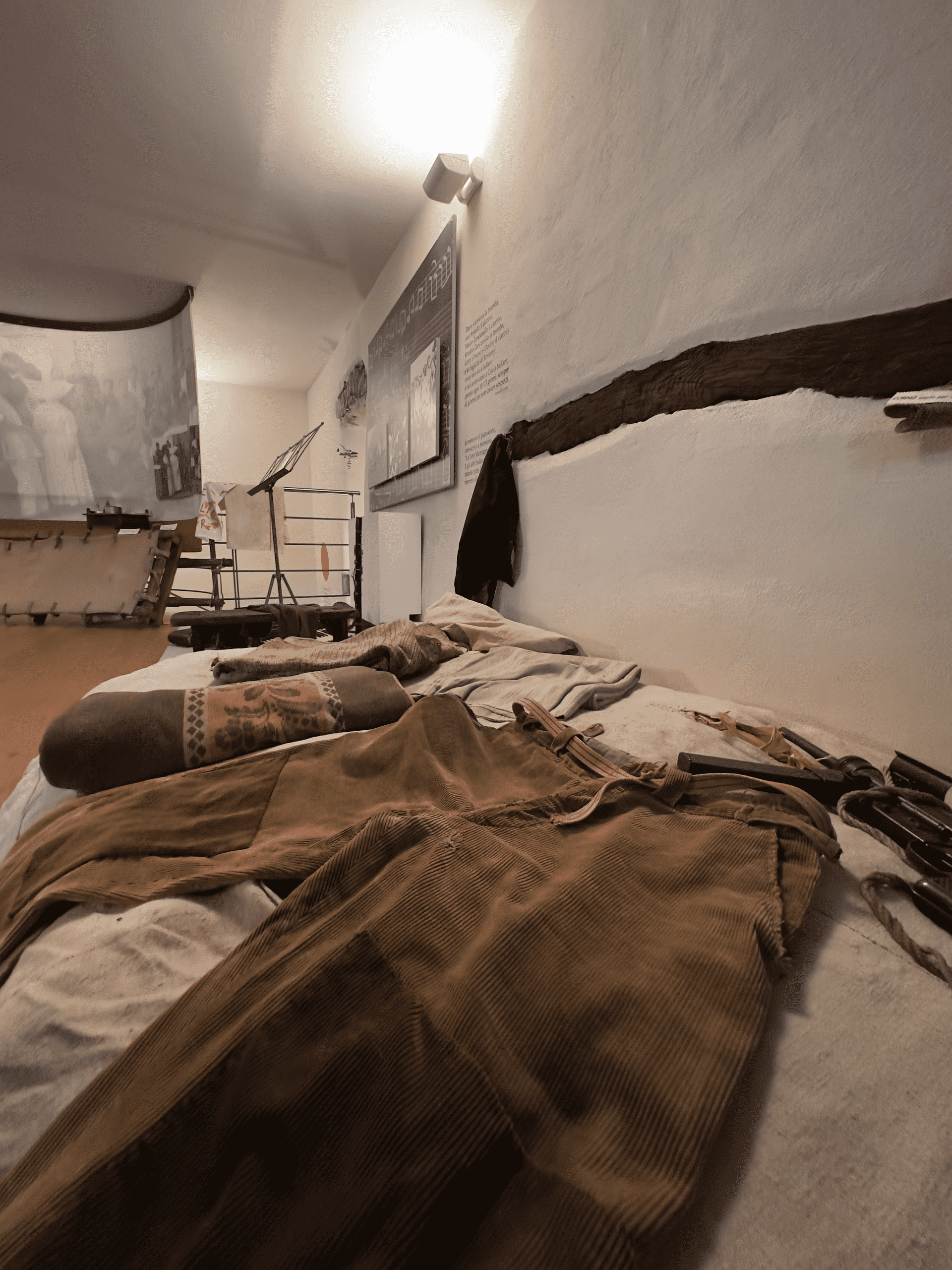
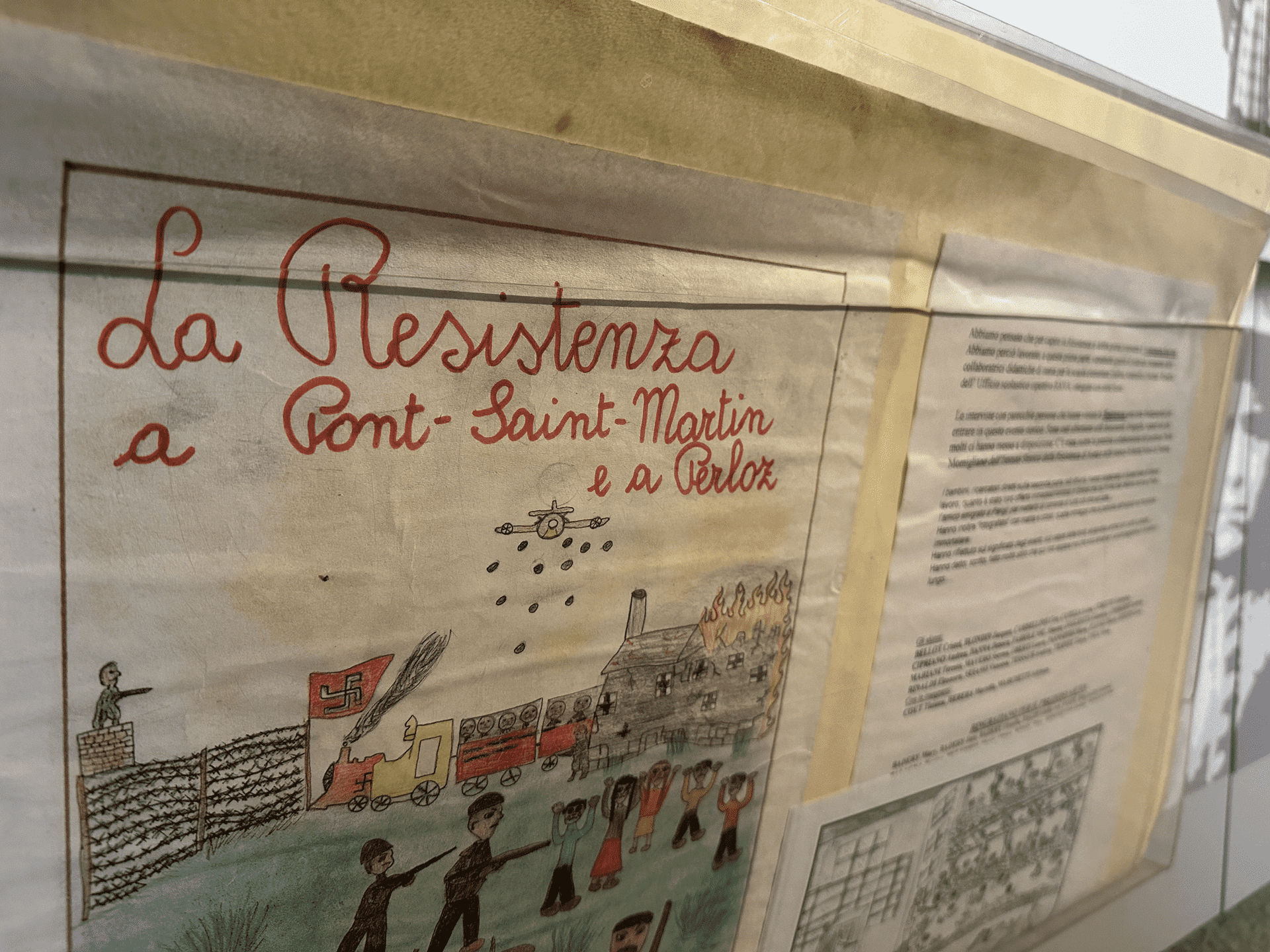
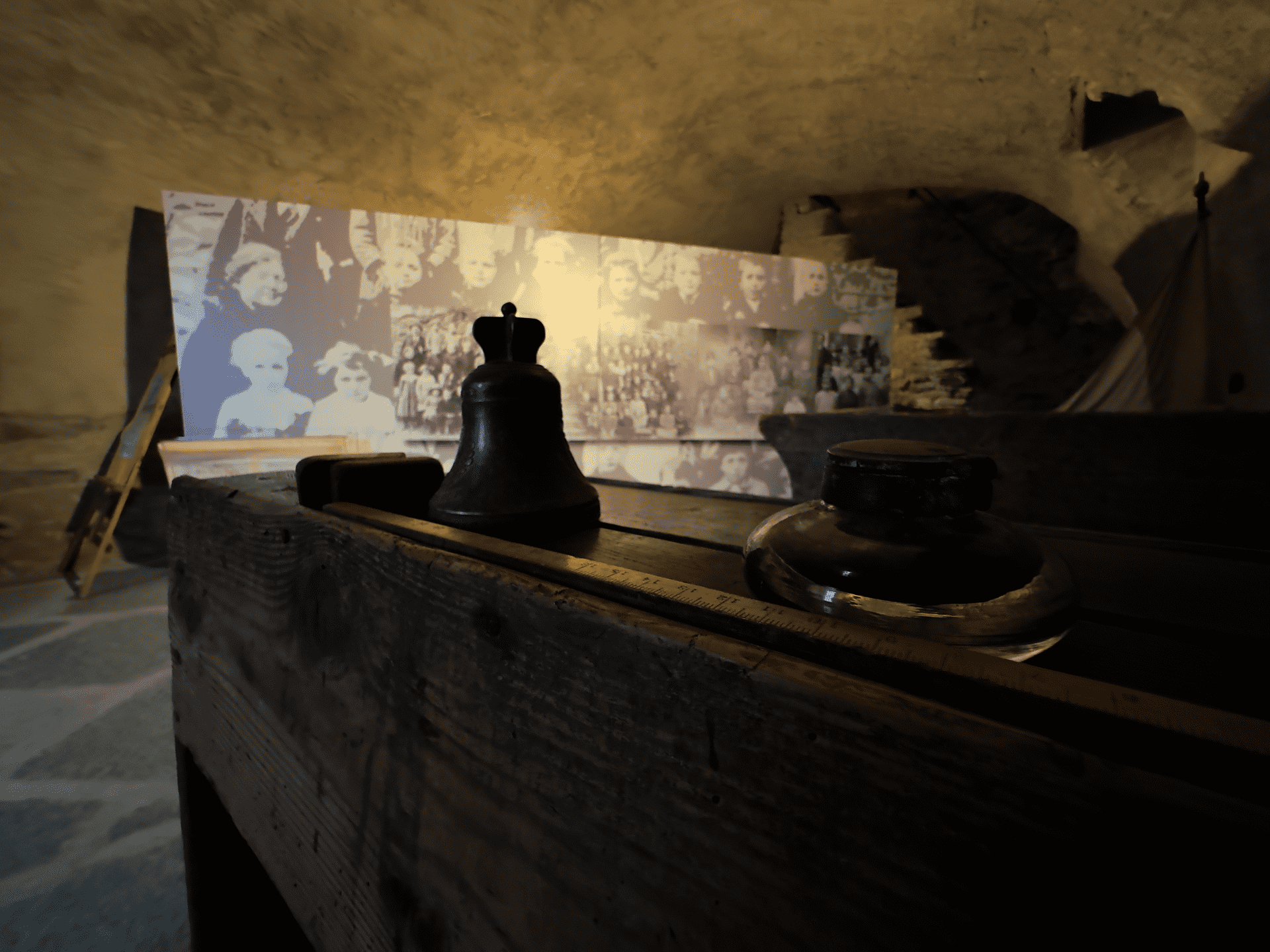
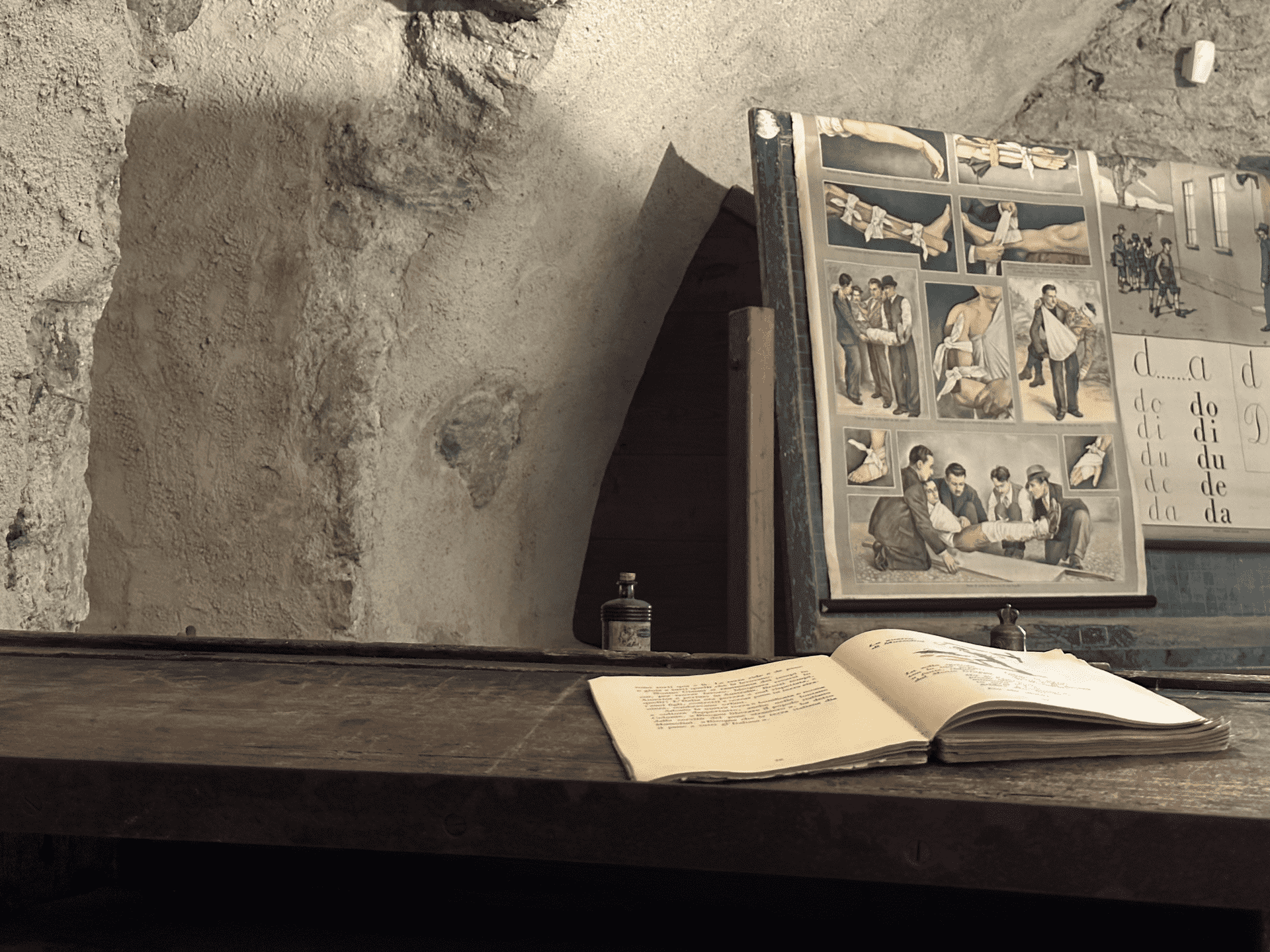
Opening in 2001 and inaugurated in its renewed centre on April, 25th, 2008 such a Documentation and Study Centre and Resistance Museum titled to the “Lys Brigade” aims at both keeping some evidence referring back to the “Third Lys Brigade”, playing the lead in the first Resistance activity ever taking place in the lower Aosta Valley as early as 1943, and presenting it to a wide audience within the wider-ranging context of both War and the Liberation Struggle in Aosta Valley. Several memorabilia, historical documents handed down by donations, alongside with some educational works worked out by the pupils attending various kinds of school in the neighbouring area can be seen inside an historical building located in the main borough, ravaged by the arson having occurred on June, 30th, 1944 as a result of one of Nazi-fascist retaliation actions, later on bought by the “Third Lys Brigade” , that bestowed it on the Municipality of Perloz with the primary purpose of making it become the very place where the memory of the War gruesome events are kept and shown so that nobody might be allowed to forget. The Project developing as a part of the Community “Mémoire des Alpes – Chemis de la Liberté”, set in motion owing to the co-operation of Italy, France and Switzerland, has allowed both the building to be fully rebuilt and the exhibition itself to be set up. Such an exhibition allows visitors to get plunged into a memory itinerary, on the tracks of the background and environment where the “Brigade Lys” Partisans lived – all of which has been suitably reconstructed within the Museum’s rooms, starting from the cellars and the hamlet school but also providing a reconstruction of the interiors of old-fashioned mountain cabins, as well as a path leading visitors to know those daily use objects belonging to the context of the Resistance Struggle throughout the alpine valleys.
The museum was enriched, in 2022, with new multimedia contents created as part of the thematic project “Discovering to promote” included in the PITEM PA.C.E. funded by the cross-border cooperation program ITALY-FRANCE ALCOTRA 2014-2020 with the aim of involving the visitor in a process of reflection on the concept of resistance left to us by our partisans.
The message the Municipality of Perloz aims at getting across to visitors gets enhanced by the catchwords “Ni haine ni oubli, meaning “Neither hatred nor oblivion” and working as a very suggestion to fully understand what wet on in the past-beside also hinting at the need for remembrance to be preserved without harbouring useless hatred and for a society always laying emphasis on the protection of the democracy values to be brought into being.
November 4th 1995 The Municipality of Perloz was awarded the Italian Government bronze Star bearning on one side the words « Merito di Guerra” (Military Medal for bravery), “for the undaunted struggle of the whole population against the nazi-fascists”.
The “Path to Freedom” spans throughout the Perloz area, following the ancient mule track connecting the so-called “plaine” and the Lys-Creek Valley on one side and the Fenetre Pass on the other in bygone times – beside also passing by three spots being particulary evocative as to the remembrance of the Partisans’ Resistance to Nazi-Fascists. Starting from the hamlet called Plan-de-Brun, where the first fight took place on Mars, 4th, 1944, the path reaches the area borough, having more than once been theatre of retaliatory operations, aong wich the ravaging arson on June, 30th, 194, has to be mentioned as the most gruesome of such events for the borough history, in sort of 30 minutes walk. The trail unwinds even further for other 30 minutes, leading to the hamlet know as Marine, where the Lys-Brigade winter headquarters were located and where nowadays the bell called Aurora (Dawn) stands, whose tolling daily reminds people of its message of peace.
Hoisted into a panoramic location at the hamlet called Marine in 2002, at the very entrance of the Lys-Creek Valley, such a Partisan’s Bell is meant to symbolically string past and present together by its tolls daily chiming at 9.15 am. It stirs both emotion and the meory of the firs rifle shot having echoed at Marine. On December 8th 1943- an event wherefrom the Partisans’ Resistance started out, its strucuture forming at last Though also meant as symbolizing rebirth and working as an all-encompassing warning so that war has to nevermore take place, this bell name – Aurora, meaning Dawn- aims at paying tribute to Aurora Vuillerminaz, a young female Partisan shot on October, 16th , 1944 at Villeneuve.